Guntakal at a Glance
Guntakal (also spelled Guntakallu) is a town in the Anantapuramu district of Andhra Pradesh, situated in the heart of the Rayalaseema region. With a population of approximately 130,000, it may seem like a modest town — but its importance as a railway junction gives it an outsized role in South India's transport network.
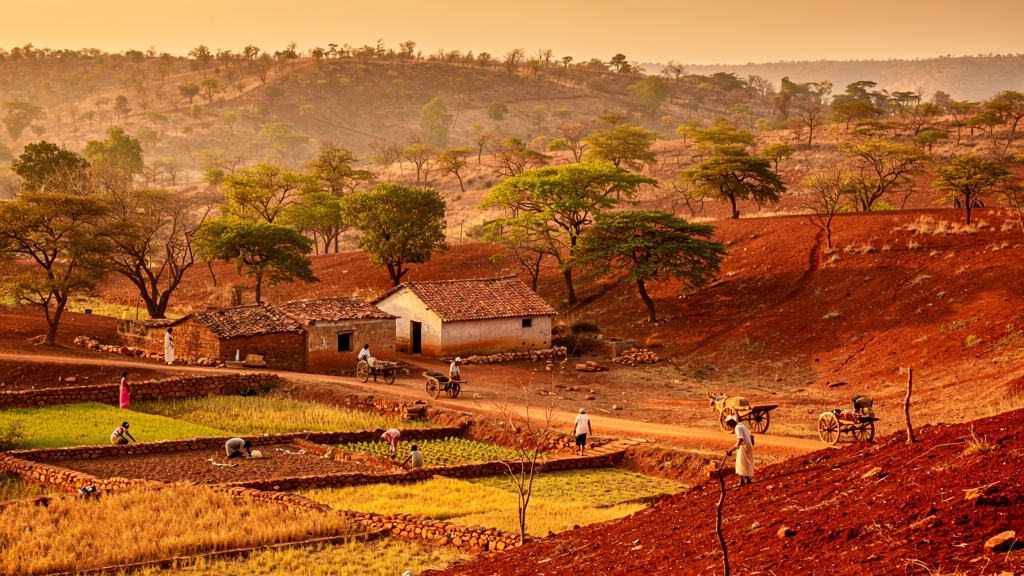
The town's name is believed to be derived from "Guntakallu," meaning "pond of stones" in Telugu — a reference to the rocky, semi-arid terrain that defines this part of the Deccan plateau.
Railway History
Guntakal's identity is inseparable from its railway junction. The Guntakal Junction (station code: GTL) was established in 1872 as part of the Madras Railway network, connecting the port city of Madras (Chennai) with the Bombay (Mumbai) presidency.
Today, the Guntakal Railway Division manages over 1,900 km of track and is one of the most strategically important divisions in the Indian railway network. The station itself features a blend of colonial-era architecture and modern facilities, including multiple platforms, a retiring room for transit passengers, and a railway museum of sorts in its working history.
Rayalaseema Region
Guntakal sits in the Rayalaseema region, a historically significant area of southern Andhra Pradesh. "Rayalaseema" translates to "the land of kings" — a reference to the Vijayanagara Empire that once ruled this territory. The region comprises four districts: Anantapuramu, Chittoor, Kadapa, and Kurnool.
Rayalaseema is known for its hot, semi-arid climate, unique cuisine (famous for its spicy curries and Ragi Sankati), and a proud cultural identity distinct from coastal Andhra. The region has a rich history of fort-building — Gooty, Penukonda, and Gandikota being prominent examples.
Language and Culture
Telugu is the primary language, though Kannada is also widely spoken due to Guntakal's proximity to the Karnataka border. Urdu and Hindi are common among the railway workforce. The town has a cosmopolitan feel for its size, thanks to the constant flow of railway personnel and passengers from across India.
Local festivals include Hanuman Jayanti (celebrated with great fervor at Kasapuram), Ugadi (Telugu New Year), Sankranthi, and Deepavali. The railway colony celebrates with its own unique community events.
Guntakal Today
While the railway remains the economic backbone, Guntakal is also a service center for surrounding agricultural areas. Cotton, groundnut, and sunflowers are grown in the region. The town has seen gradual development with new roads, hospitals, and educational institutions.
For travelers, Guntakal offers an authentic slice of Indian small-town life — busy railway stations, lively markets, roadside eateries serving spicy Andhra food, and a warm, no-nonsense hospitality that Rayalaseema is known for.